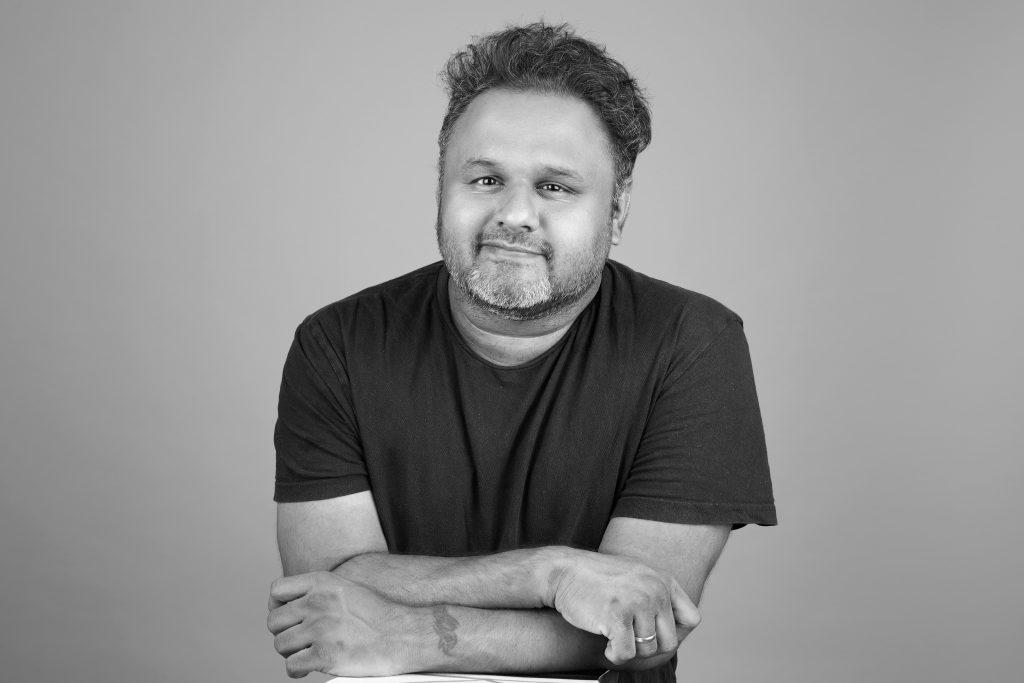
Design help for teams building games, tools and playful products.
I’m a game and UX designer, currently Chief Creative Officer at Second Quest. Alongside that I take on a small number of audits, prototype sprints and ongoing design work.
Twenty years of it, across game design, UX and creative technology. I can build with you, not only advise.
If this sounds familiar, I can help
- “We’ve been iterating for months and it’s still not fun.”
- “We have a system. We don’t have a game yet.”
- “It works. People just don’t come back to it.”
- “The demo doesn’t land and we’re not sure why.”
Bengaluru (IST) · 3–4h overlap with Europe, 2–3h with US East
Résumé & full history
Bio
Games, tools & prototypes
LinkedIn
20+ years
Across games, UX, education and creative technology. Currently Chief Creative Officer at Second Quest.
0 → 1
Repeatedly: B2B tools, children’s learning games, mobile free-to-play, PC and console.
Top 100
GamesIndustry.biz Game Changers, 2020. IGDA Foundation Next Gen Leaders, GDC 2020.
01
Where I come in
A recurring part of my work has been entering projects early, when the product, system or experience is not fully clear yet, and staying long enough to see it built.
Second Quest
Founding team on a PC/console game and studio. Creative direction, product vision, systems, tools and player experience from the ground up.
PlaySimple
Design leadership in the New Games Group, taking multiple titles from early idea and MVP through prototyping, validation, economy, progression, UX, content systems and scale.
BYJU’S / Osmo
Games for the Osmo platform for children under 10. Early concepts through prototypes, playtests, learning goals, hardware constraints, interaction design and production handoff.
redBus
B2B tools and UX for operator-facing products: analytics, data flows, communication flows, visual systems and frontend implementation.
02
Services
Four things I get asked for most. If what you need isn’t one of them, say so and we’ll work it out.
01
Design and UX Audit
A structured review of a build, prototype, onboarding flow, feature, tool or player journey. You get a clear read on what is working, what is confusing, and what to fix first.
It also runs as a pitch or demo review, ahead of a publisher meeting, investor update, grant application, milestone or public showcase.
What you get
- Recorded playthrough or walkthrough
- Design, UX and systems notes
- Prioritised fix list and opportunity map
- A call to talk it through
02
Prototype Sprint
Turn an early mechanic, tool, learning loop or interaction model into something playable and testable, before the team commits production time to it.
Useful when an idea has been argued about in documents for longer than it would take to build.
What you get
- Playable prototype or interaction mock
- Source and design notes
- The assumptions it tested, and what it answered
- Next-step production recommendations
03
Ongoing Design Support
Senior design direction on a monthly retainer, sometimes called a fractional design lead. For teams that need critique, prioritisation and momentum without hiring full-time.
This is the closest thing to having me on the team. It works best when someone internal owns the day-to-day and needs a second senior head on the hard calls.
What you get
- Weekly design review
- Systems, UX and feature direction
- Mentorship for the design team
- Documentation support
04
Workshops and Teaching
Live sessions and custom learning formats for studios, colleges, accelerators and industry programs: game design and prototyping, playtesting and critique, game UX and systems. I also work with partners on curriculum, recorded courses and self-paced material.
I have been teaching design in classrooms and studios for over a decade, and still do.
Where I’ve taught
- National Institute of Design Visiting faculty, mentor and jury, 2016–present
- Srishti Manipal Institute Visiting faculty and jury, 2020–present
- GDAI Founding governing council, Talent & Skilling
- Aptech and Arena Classroom teaching and curriculum
- Masterclasses and keynotes WTFxIGDC, Finnish Game Jam, NIT Trichy Pragyan
03
How I work
I work across design, prototyping, technology, visual direction and education. That lets me move between strategy and implementation, and helps teams make decisions they can actually build from.
Design
Core loops, systems, onboarding, progression, economy, UX flows, player motivation and product clarity.
Technology
Unity, Godot, GameMaker, JavaScript and creative code. I can talk to your engineers without a translator.
Creative direction
Visual direction, interaction feel, storytelling through play, world-building and making systems legible.
Prototyping
Testing assumptions quickly through playable sketches, tools, flows, paper exercises and small interactive builds.
Learning
Design for children, learning goals, feedback loops, progression, curriculum constraints and classroom-friendly formats.
Mentoring
Critique, documentation, workshops, team alignment and making design decisions easier to discuss.
04
Background
The parts most relevant to teams hiring for design, UX, prototyping, teaching or advisory work. The full résumé has everything else.
Games and playful products
Lead and senior roles across mobile games, children’s learning games, indie games, interactive installations and PC/console sandbox work.
Second Quest · PlaySimple · BYJU’S / Osmo · Hashstash
Education and community
Long-running work as educator, mentor, organiser, speaker and curriculum builder across Indian and international game development spaces.
gamedev.in · BYOG · Global Game Jam board · GDAI
Hands-on making
Independent games, tools, utilities, prototypes and web-playable work that show how ideas become testable artifacts.
Unity · Godot · JavaScript · GameMaker · Creative code
Let’s take a look together.
Bring whatever you have: a build, a deck, some notes, or just the thing that has been nagging at you. We’ll figure out what’s going on and what to do about it.